
Between the Lines: On Time
Time waits for no man, as I discovered most viscerally when I left my SEIKO on the 28 to Bilborough.

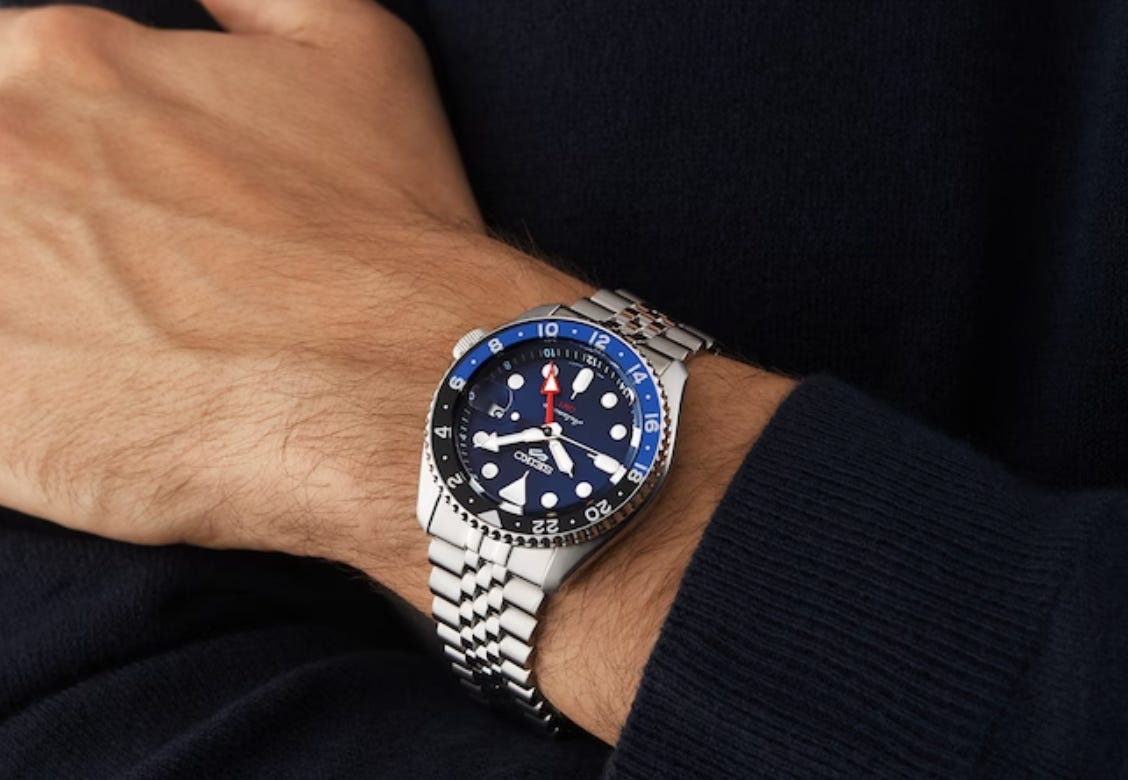
Time waits for no man, as I discovered most viscerally when I left my SEIKO watch on the 28 to Bilborough. As the pink double-decker sailed out of view, I tried out all sorts of expletives to little effect - time is a big thing, too big to cram into language.
Like so many abstract concepts, the way we convert time into words is by using spatial metaphors: in English we face the future, we look forward (we hope) to the times that are ahead of us, and this all seems sensible and kosher.
But time is more vertical in China, where the past is above and the future is below. ‘Up month’, they say, meaning ‘last month’. The Yangtze river, academics tell us, may be responsible - people associate time with the flow of water downriver.
And it’s all back-to-front for the Aymara people in the Andes, who like to keep things interesting. They call the future the qhipa uru - the back days - because what’s to come is unseeable. In the salt flats of the Altiplano Plateau, the future is behind them and they are facing the past.
I did find my SEIKO eventually, on the thick red arm of a bartender in a flat-roof-pub on Radford Boulevard. Many years had passed and I thought I had let it go, but if you are an English speaker, the past has a way of sneaking up on you.